

The rise of agent-driven heterogeneity at the edge
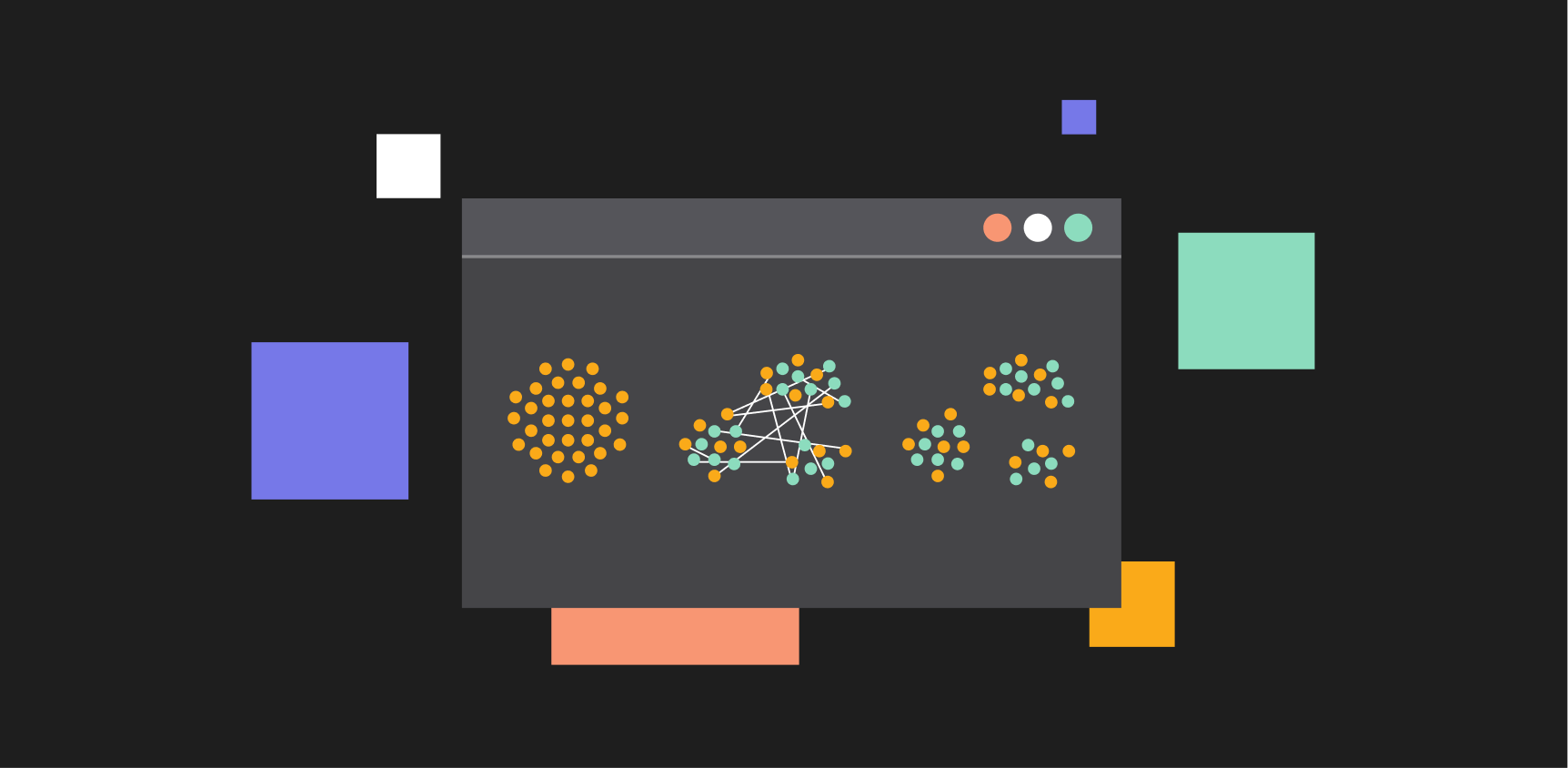
Agentic systems won’t just move to the edge—they’ll fundamentally change what runs there.
Today’s edge systems are built around predictability. Workloads are known in advance. Software is deployed, not created. Hardware is optimized for repeatability. That model has held for decades because it matched how software behaved.
That assumption is breaking.
As AI systems become more agentic, they stop executing fixed pipelines and start making decisions in real time. They generate and dispatch work dynamically—scripts, compiled functions, small utilities, one-off tasks. What used to be a stable workload becomes something fluid and constantly evolving.
The result is a shift from predictable execution to highly heterogeneous, continuously changing software behavior. We’ve already seen this pattern emerge in the data center. Systems are no longer optimized for a single model or workload—they are designed to handle a wide range of tasks that change over time. What happens next is not theoretical. It’s directional.
That same behavior moves down the stack.
First to edge servers. Then into embedded systems. Eventually into devices that today run fixed firmware. Systems that once executed predefined code begin to adapt in real time. Devices don’t just run software—they respond to changing conditions, generate new logic, and execute it immediately.
At that point, the underlying assumption of edge computing collapses. Because the edge was never designed for unpredictability. It was designed for efficiency through specialization. Known workloads, tuned paths, fixed-function acceleration. That approach works when the problem is defined ahead of time. It fails when the problem is constantly changing.
And that’s exactly what agentic systems introduce.
They don’t run one workload well. They run many workloads unpredictably. They don’t follow optimized paths. They create new ones as they go. They don’t stay within constraints—they redefine them in real time. Which leads to a different requirement for compute at the edge. Not more acceleration. Not more specialization. Something else entirely.
Compute at the edge must be built for unpredictability, not specialization.
The architectures that win won’t be the ones tuned for a specific model or benchmark. They’ll be the ones that can efficiently execute a chaotic mix of general-purpose tasks—because that’s what agentic systems actually produce.
This is where the industry starts to invert. CPUs, long seen as insufficient for modern workloads, become more relevant again—not because they’re faster, but because they’re flexible. At the same time, fixed-function hardware begins to show its limits. The more specialized it is, the more fragile it becomes when workloads change.
Efficiency itself takes on a new meaning. It’s no longer about idle power or peak throughput on a known task. It becomes about sustaining real performance across unpredictable execution. It’s about handling variation without collapsing under it.
And most importantly, the role of the edge changes. The edge stops being a place where code is deployed—and becomes a place where code is created, adapted, and executed continuously.
Why this shift aligns with Efficient’s architecture
This is not a future Efficient has to adapt to. It’s the one it was built for. Most architectures assume stability. Known workloads, predictable execution, and optimization around repeatable tasks. That’s the foundation behind fixed-purpose hardware—and why it struggles when that foundation disappears.
Agentic systems expose that limitation directly. The moment workloads become fluid, specialization becomes a constraint. Hardware that depends on knowing the problem in advance starts to fall behind as the problem changes in real time.
Efficient takes the opposite position. Not a better way to run fixed workloads, but a fundamentally different way to handle unpredictable ones.
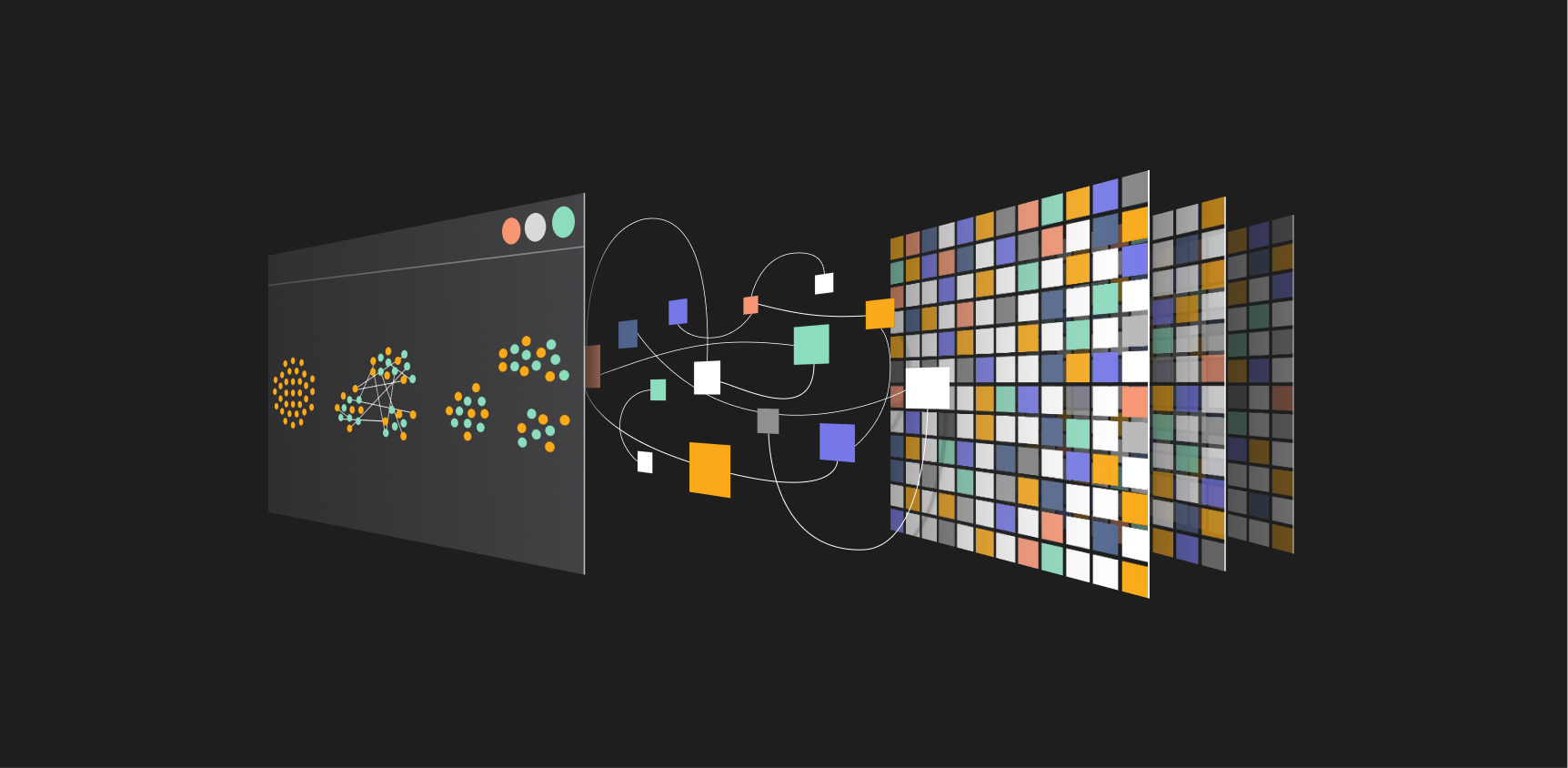
The Fabric architecture is built around this idea. Instead of forcing software into rigid execution models, it represents programs as connected tasks, allowing the system to execute workloads the way they actually behave.
That matters when execution is no longer linear or predictable. When workloads are short-lived, irregular, and constantly shifting. When performance isn’t defined by a single path, but by the ability to adapt across many. In that environment, efficiency isn’t about optimization. It’s about resilience.
The ability to sustain performance across change. To handle variation without reconfiguration. To support a wide range of workloads without needing to know them in advance.
That’s the real divide that’s coming. Architectures built for fixed workloads will continue to chase specific use cases, optimizing for what they can predict. Architectures built for variability will absorb that change, adapting as workloads evolve. And as agentic systems push further into the edge, that difference becomes harder to ignore. Because the requirement is no longer just more compute.
It’s compute that doesn’t break when the problem changes.
That’s the gap Efficient is built to fill.